

Transform Your Smile with Teeth Whitening in Nottingham
Unlock a brighter future with safe, dentist-led whitening at Pear Tree Dental. Our Enlighten Evolution 3 and Boutique systems deliver predictable results with comfort in mind.
Dentist-led care
GDC-registered clinicians plan every whitening journey.
Sensitivity aware
Custom trays and desensitising support keep you comfortable.
Long-lasting results
Personalised top-up plans make it easy to maintain your new shade.
Why Teeth Whitening Matters
A brighter smile helps you feel confident in photos, at work, on stage, or when celebrating big moments. Dentist-led whitening gives you the assurance that every step is clinically overseen.
Lift deep-set stains from coffee, tea, red wine, and everyday life with tailored whitening gels.
Custom-fitted trays and professionally prescribed gels keep your teeth and gums protected.
Choose day or night wear schedules and sensitivity-aware protocols that suit your lifestyle.
Top-up guidance helps you maintain your new shade for 12–36 months depending on habits.
Real Patients. Life-Changing Results
Explore genuine smile makeovers that combine whitening with aligners, bonding, and precision finishing. Slide to compare each transformation.
Enlighten + Composite Refinement
14-day at-home whitening with an in-practice finish for even brightness.
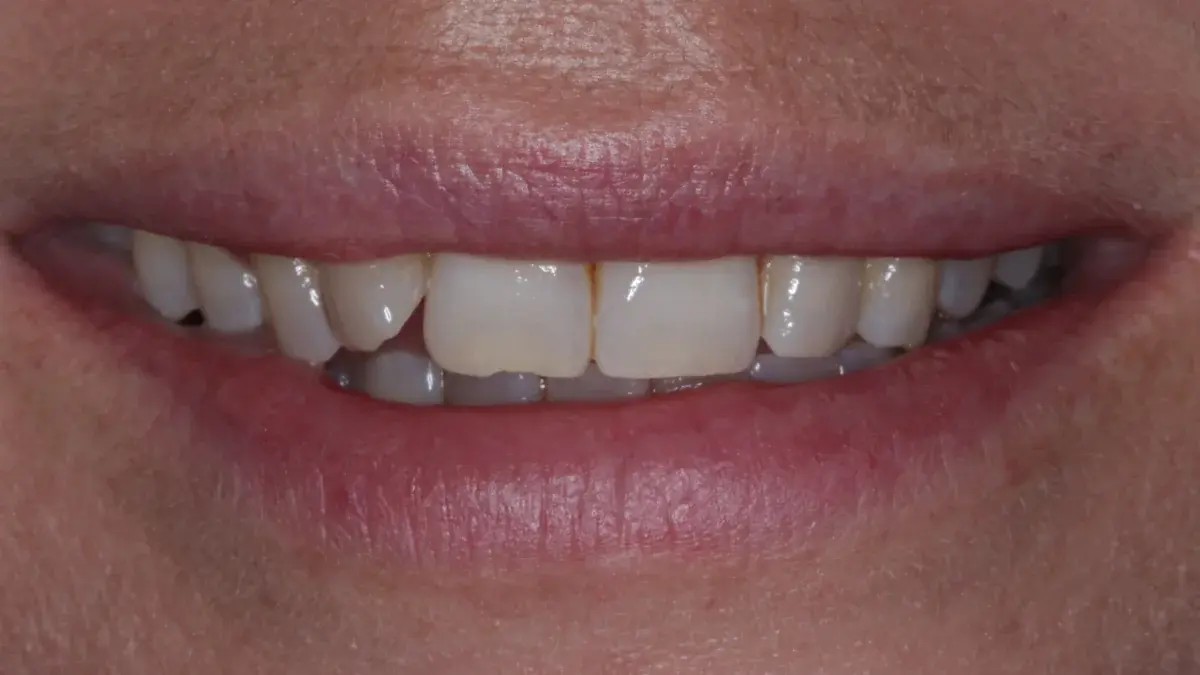
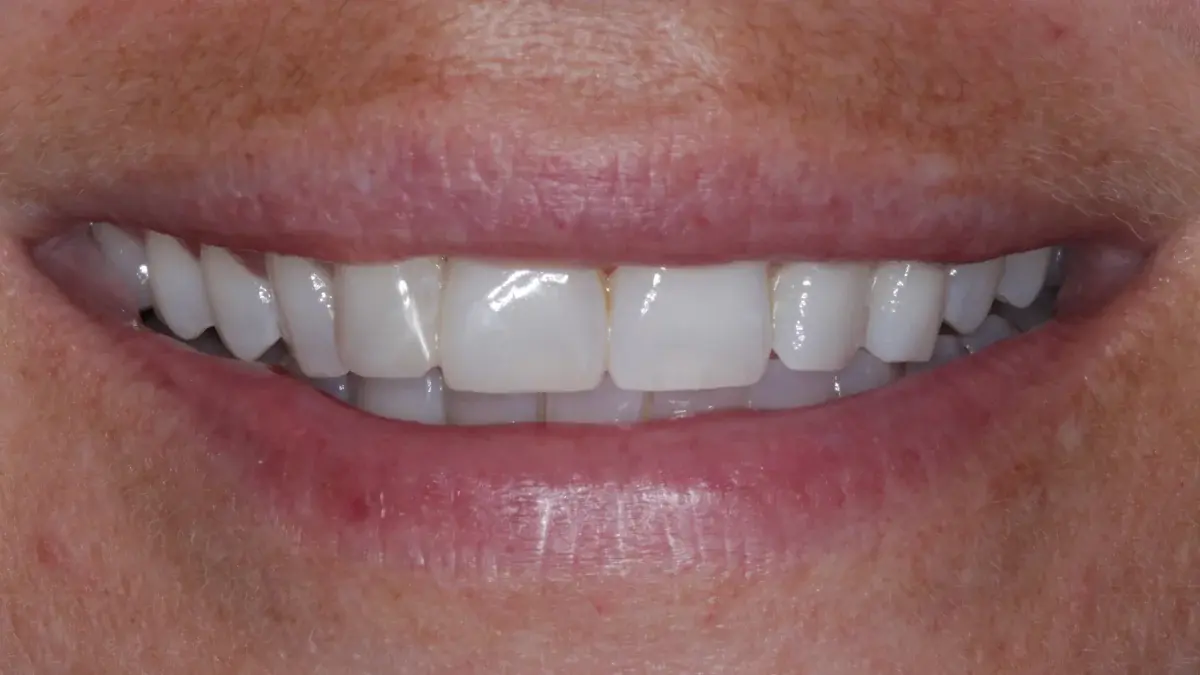
Drag the slider or use the buttons to compare before and after results
Orthodontics & Whitening
Aligner therapy combined with Enlighten whitening for a confident smile zone.
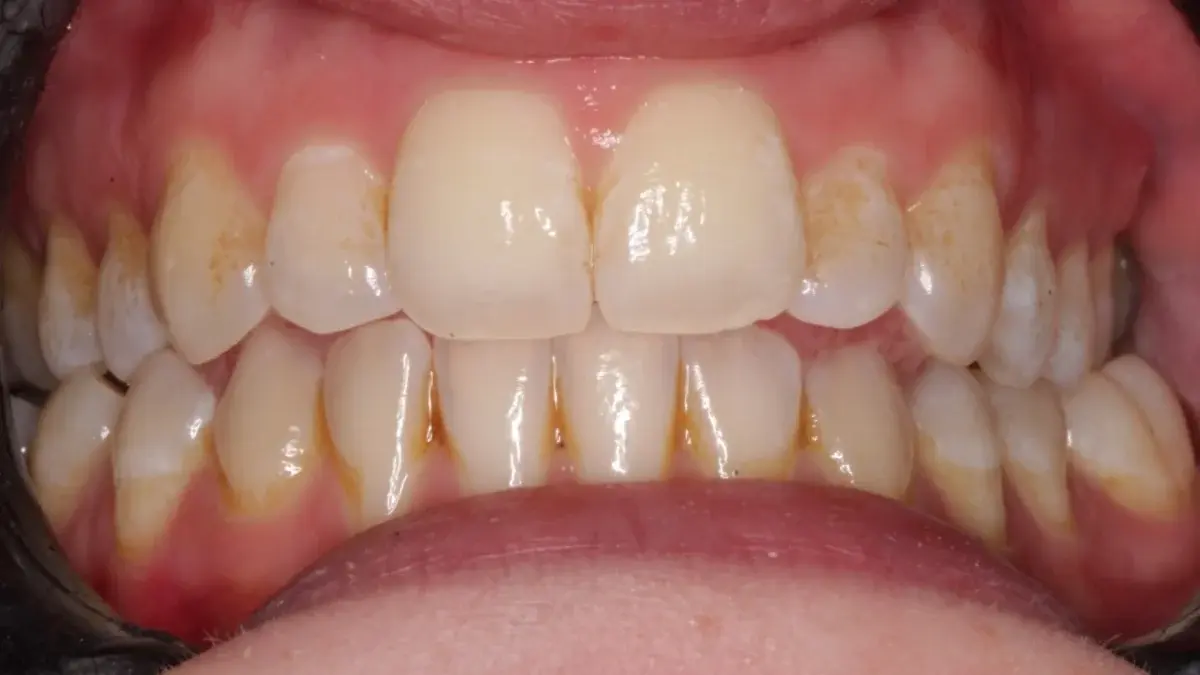
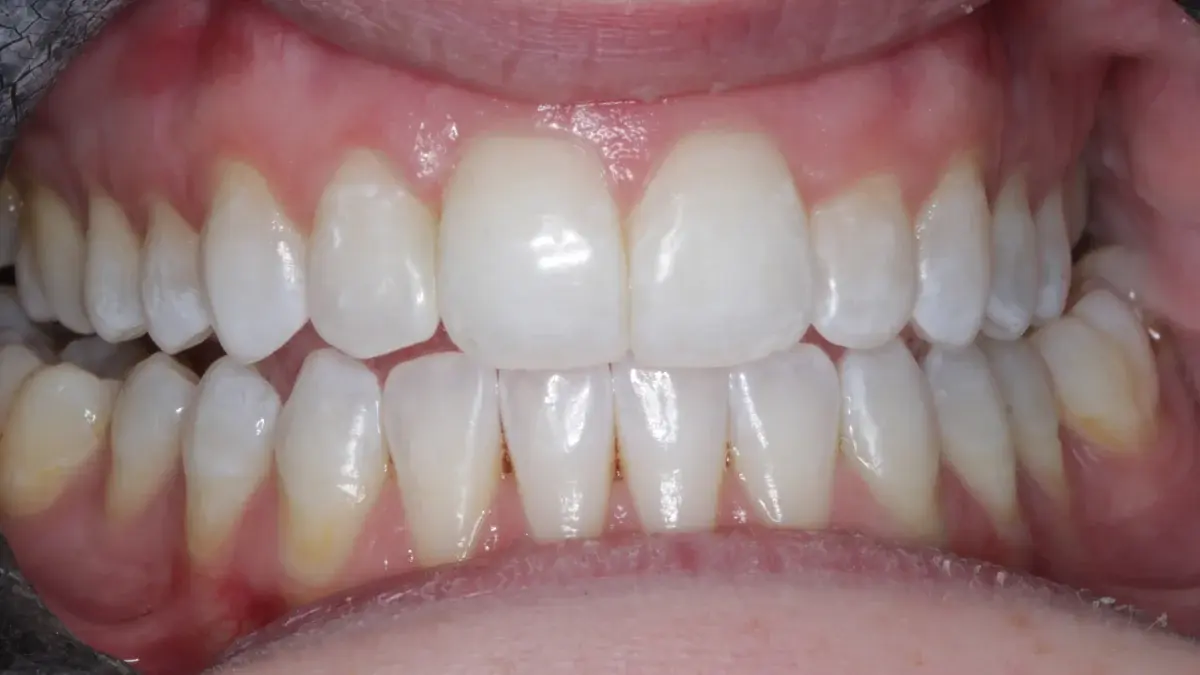
Drag the slider or use the buttons to compare before and after results
Our Professional Whitening Systems
Every whitening plan begins with a full oral health assessment. From there we recommend Enlighten Evolution 3 or Boutique Whitening, tailoring your routine to sensitivity, timeline, and lifestyle.
Premium system designed for predictable, natural-looking brightness with minimal sensitivity.
How it works
- Consultation, shade mapping, and oral health check.
- Precision-made trays from digital scans or impressions.
- 2–3 week home phase with Enlighten gels.
- Final in-practice appointment to refine comfort and shade.
- Aftercare support with sensitivity advice and top-up guidance.
What to expect
- Natural, even brightness across the full smile zone.
- Sensitivity-aware routine with personalised coaching.
- Clear plan for maintaining your results long-term.
Results vary per person. We’ll recommend the safest, most effective protocol for you at your consultation.
Flexible day or night system that fits your routine while delivering consistent results.
Your options
- Boutique By Day – short daytime wear with higher concentration gels.
- Boutique By Night – overnight wear with gentle gels that work while you sleep.
Typical pathway
- Assessment plus impressions or scans for custom trays.
- Tray fitting, gel dosage coaching, and sensitivity tips.
- 1–2 week home course tailored to your targets.
- Review visit to check shade, comfort, and maintenance plan.
Why patients choose Boutique
- Lifestyle-friendly wear times with professional oversight.
- Natural, even results when used as directed.
More Whitening Transformations
Different starting points, same focus on healthy, confident results. Swipe to explore another patient journey.
Boutique Whitening Journey
Night-time Boutique plan supporting a composite bonding makeover.
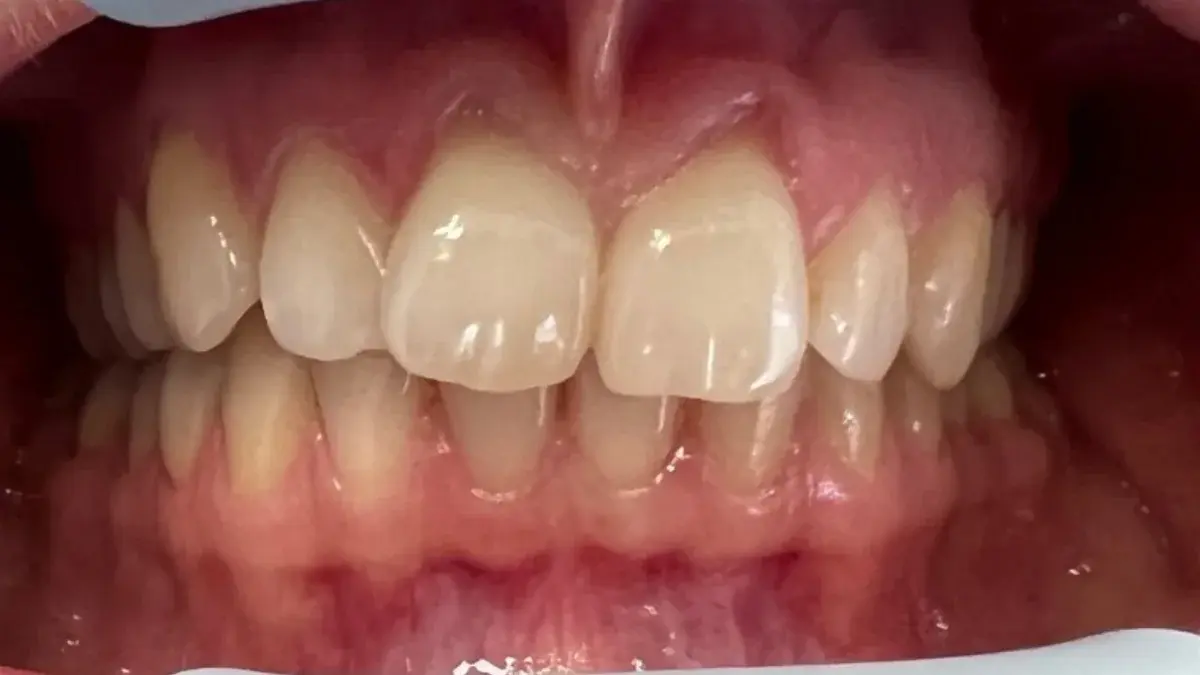
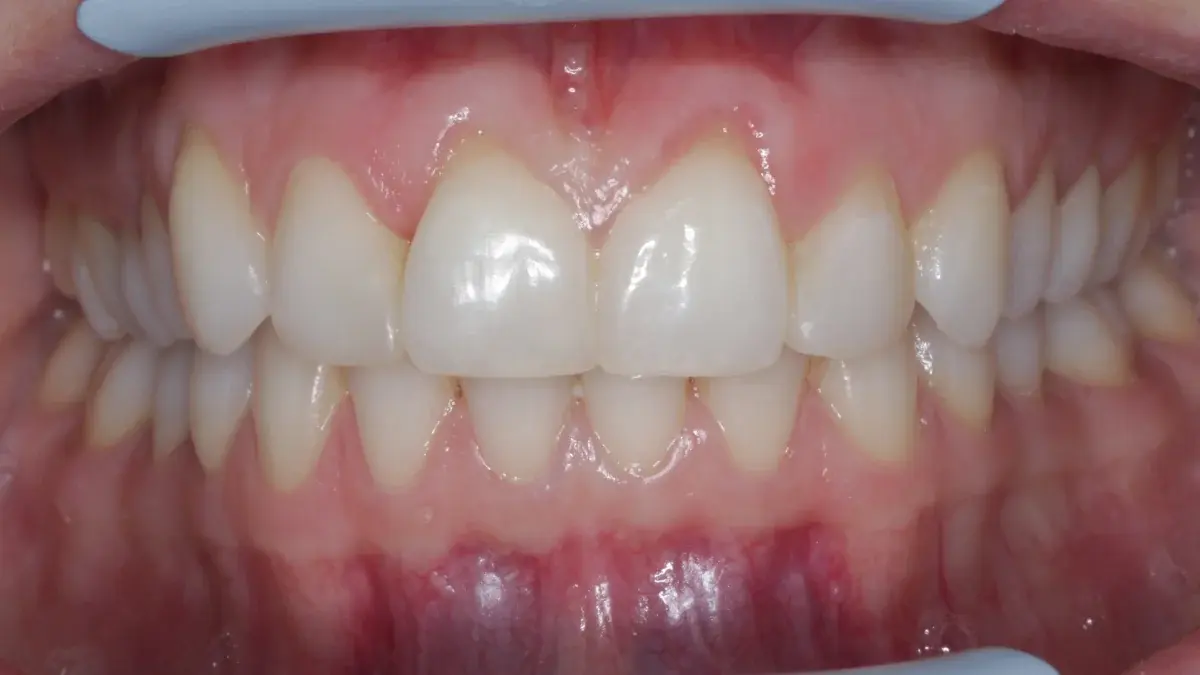
Drag the slider or use the buttons to compare before and after results
Edge Bonding & Whitening
Gentle whitening and edge refinement to restore symmetry.
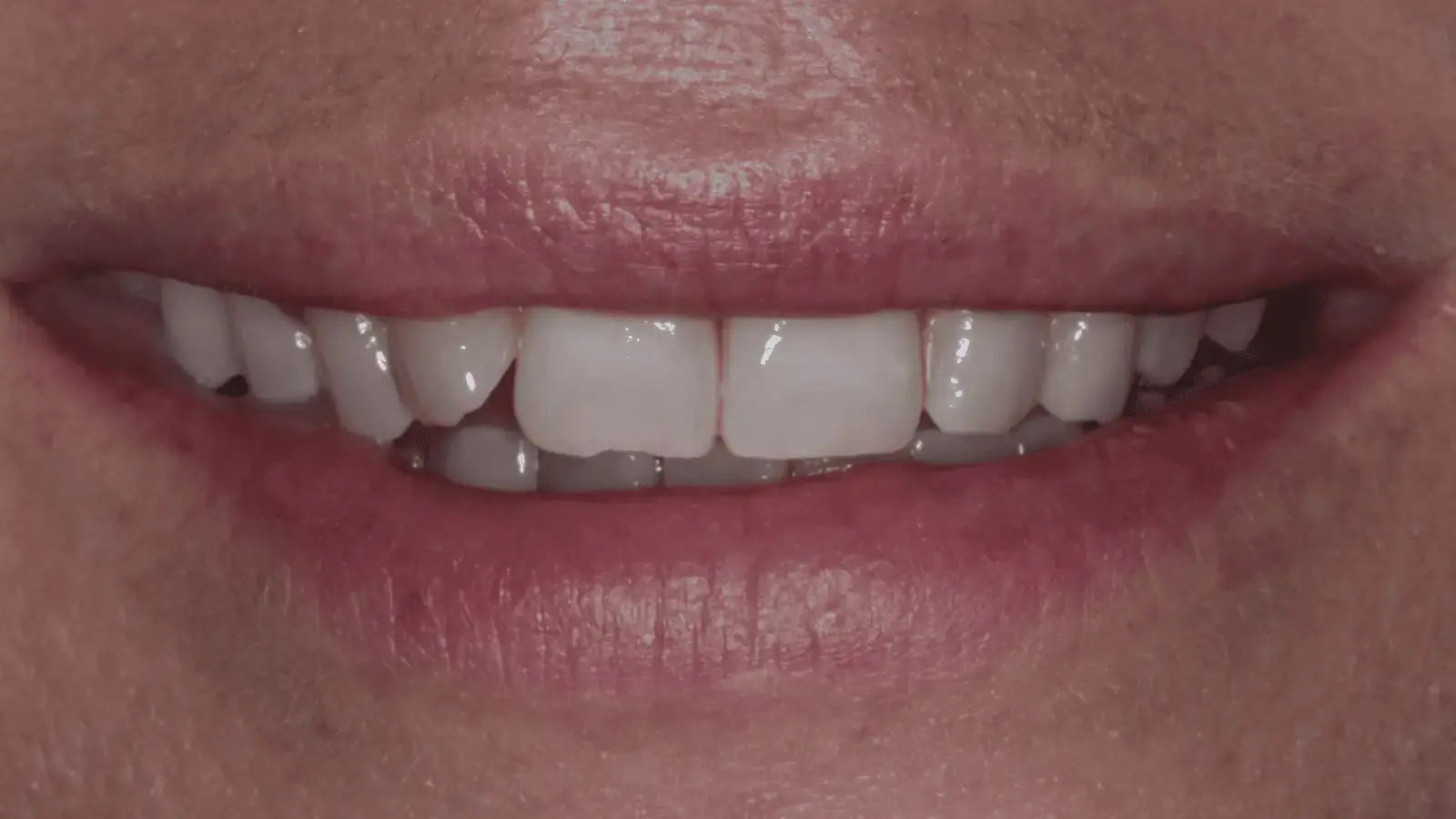
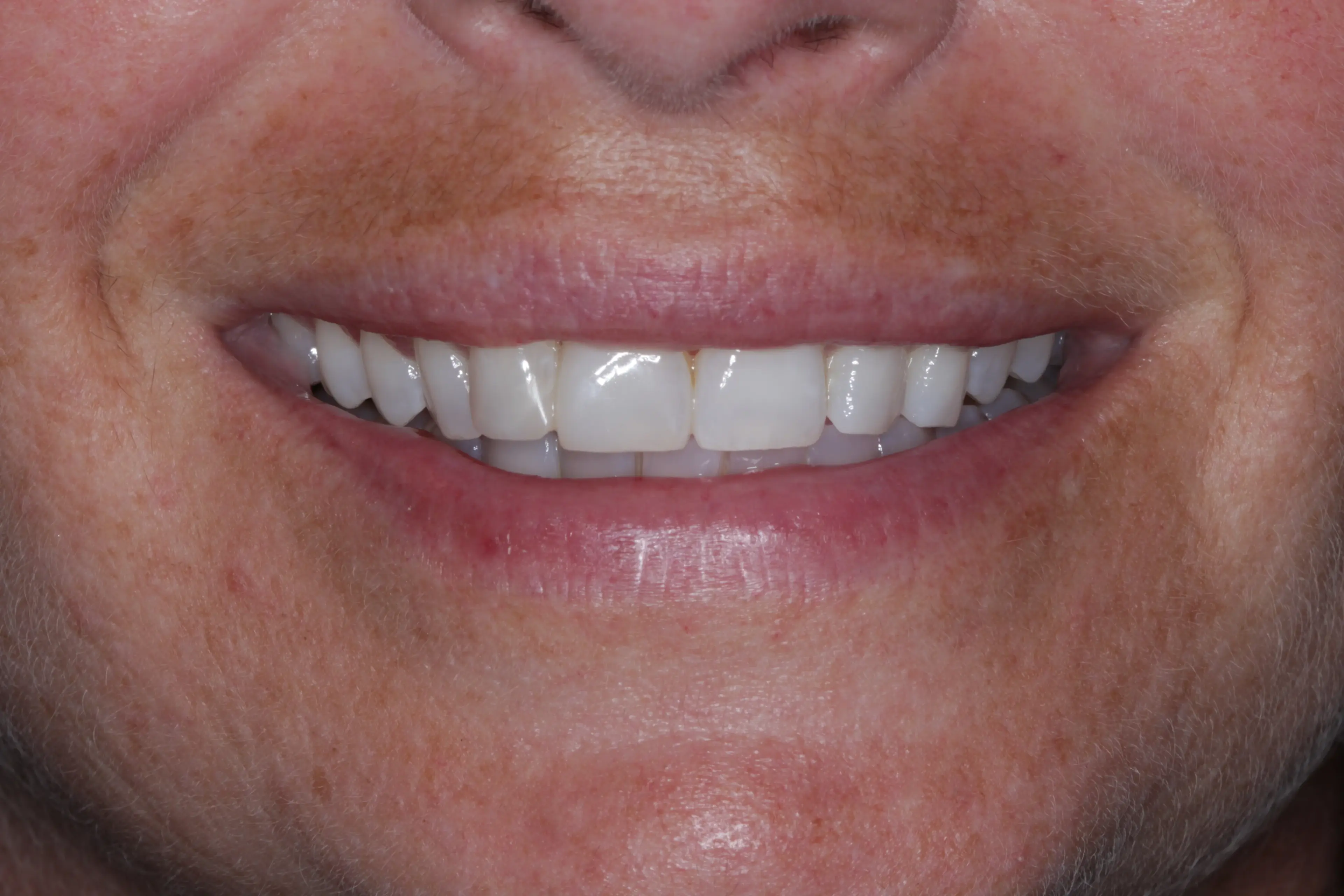
Drag the slider or use the buttons to compare before and after results
Why Choose Pear Tree Dental?
From your first consultation to long-term maintenance, our whitening clinicians keep safety, comfort, and predictable results at the centre of your care.
GDC-registered clinicians with advanced cosmetic training oversee every whitening journey.
Full dental health check, custom trays, and regulated gels protect your smile.
Sensitivity-aware protocols and tailored aftercare keep you comfortable long after treatment.
Understand how long treatment will take and what to expect at each visit.
Whitening is provided for adults 18+ and follows all current UK dental regulations.
We can combine whitening with hygiene, orthodontics, or bonding for complete smile makeovers.
Your Personalised Whitening Journey
Every patient starts with a consultation so we can tailor your whitening plan and make sure your smile stays healthy at every step.
Initial consultation
Comprehensive oral health assessment, shade analysis, and clear explanation of whitening options, timelines, and fees.
Preparation & treatment
Any hygiene or restorative care comes first. We take precise impressions or scans, supply custom trays, and walk you through your Enlighten or Boutique protocol.
Follow-up & maintenance
Review appointment to track shade changes, refresh comfort advice, and plan top-up gel use and lifestyle habits for long-term brightness.
Loved by Nottingham Patients
Real Google reviews from patients who trust Pear Tree Dental with their smiles.
Lovely experience with friendly staff, ten out of ten. You have transformed my teeth and my smile. Thank you Javaad and the Pear Tree team!
I’ve been coming here for just over 13 years. Everyone at the surgery is wonderful, especially Javaad who is always patient and kind. I have lost the fear of visiting the dentist.
My dentist was very gentle and the treatment was pain free. I felt completely looked after throughout my visit.
Take-home trays vs in-chair whitening
Not sure which route suits you? Here's the difference.
In-chair whitening is done at the practice in under an hour, often combined with a light or heat source to speed things up. Results are immediate and dramatic, ideal if you have an event on the calendar and want a fast turnaround.
Take-home trays are custom-made to fit your teeth exactly. You fill them with gel and wear them at home for a set time each day, usually across seven to fourteen days. It takes longer, but the process is gentler and tends to work out cheaper.
Both methods are effective. Your dentist will recommend which suits you, based on your teeth, sensitivity and how quickly you want to see results.
Teeth Whitening FAQs
Got a question about whitening? Here are answers to the topics we cover most often in the practice.
Yes—when it is prescribed and overseen by a dental professional. We use regulated gels and custom trays to protect your teeth and gums throughout treatment.
With good oral care and occasional top-ups, many patients enjoy a brighter smile for 12–36 months. Lifestyle habits such as coffee, tea, red wine, and smoking influence longevity.
Whitening gels do not change the colour of existing restorations. We plan your course around them and can discuss refreshing visible restorations after whitening if needed.
Everyone whitens differently. Our goal is a healthy, natural shade that complements your complexion and looks brilliant in real life.
Most at-home courses take between 1–3 weeks, with a brief in-practice visit if your plan includes one. We walk you through every step before you begin.
Some patients notice temporary sensitivity. We tailor your protocol, provide guidance, and can recommend desensitising solutions to keep you comfortable.
No. Shop-bought kits are not custom-fitted and use different formulations. Dentist-supervised whitening is safer, more predictable, and tailored to you.
Yes. Active decay, untreated gum disease or pregnancy are reasons to postpone whitening until they're resolved. Your dentist will check for these at your consultation before recommending a start date.
A few habits go a long way: rinse with water after coloured foods or drinks like curry, berries or red wine, use a straw for iced coffee and other stainers where you can, and keep up with regular hygiene visits for tartar removal and polishing. If you've got an event coming up, a quick top-up session beforehand keeps things looking sharp.
Ready to brighten your smile?
Book a consultation and we’ll recommend the safest, most effective whitening plan for your goals.
22 Nottingham Road, Burton Joyce, Nottingham NG14 5AE. Free parking available opposite the practice.