

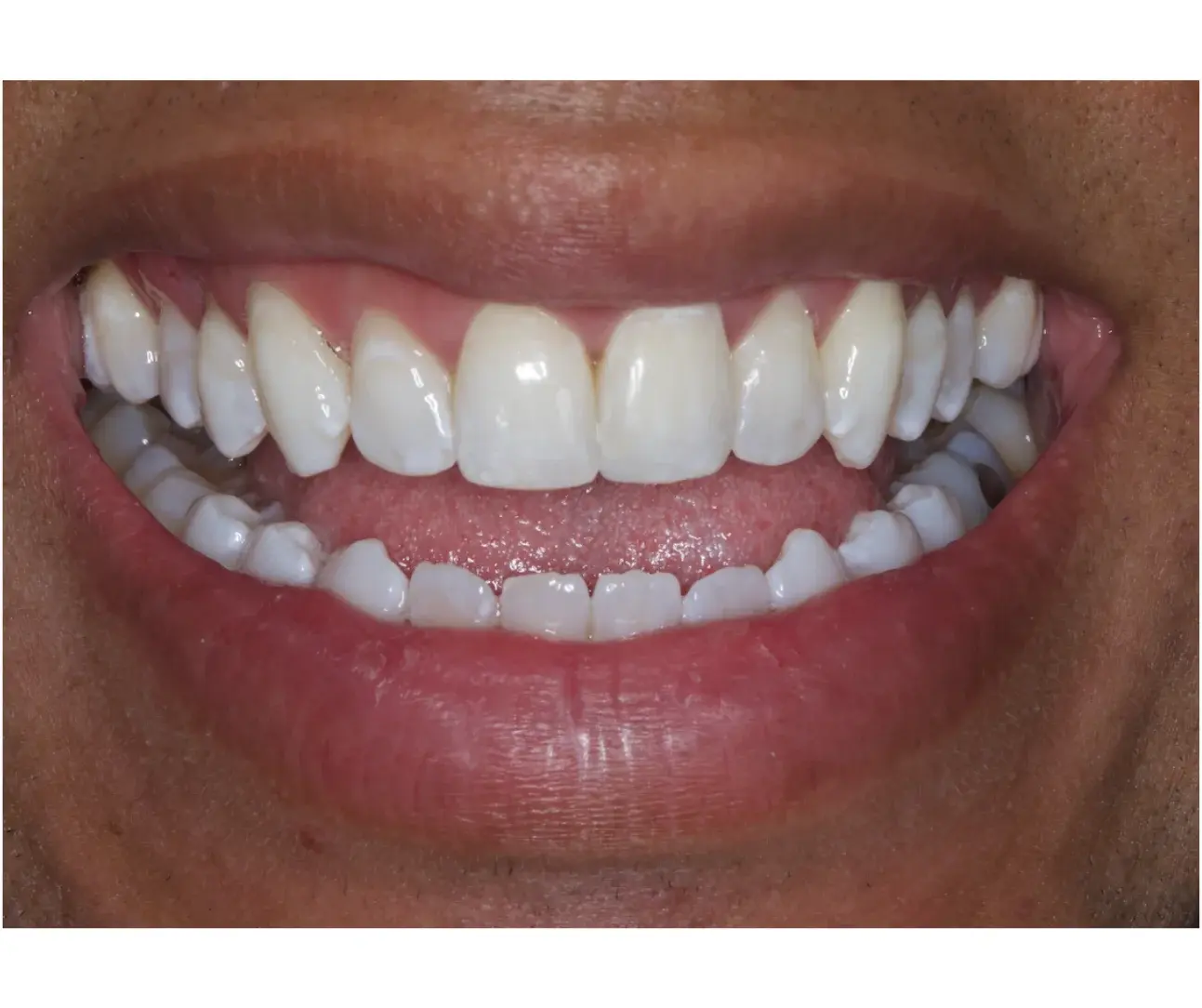
Sensitive teeth usually mean the layer beneath your enamel has become exposed. That layer, dentine, contains microscopic tubules leading to the nerve, so cold air, ice cream or a hot drink registers as a sharp jolt. In most cases this responds well to a change of toothpaste and brushing technique. The important distinction is between a short, sharp twinge and a deep ache that lingers, because those point to different problems.
The quick test: how long does it last?
This is the most useful thing you can notice before an appointment. Sensitivity from exposed dentine is sharp and brief — it spikes with the trigger and fades within seconds of removing it. Pain that carries on throbbing for a minute or more after the cold has gone, wakes you at night, or comes on unprompted, suggests the nerve inside the tooth is inflamed. That is a different situation and needs assessing promptly.
Sensitivity in one specific tooth rather than across a whole area also deserves attention, particularly if it is severe or getting worse.
Why dentine becomes exposed
Gum recession, which uncovers root surfaces that have no enamel covering at all
Enamel wear from grinding, which thins the protective layer
Acid erosion from fizzy drinks, citrus, wine or reflux
Brushing too hard, or with a hard-bristled brush, which wears a notch at the gumline
Recent whitening, which commonly causes temporary sensitivity
A cracked tooth or a filling that has broken down
Recent dental treatment, which usually settles within a few weeks
Two of these are worth dwelling on because they are so often self-inflicted. Brushing hard does not clean better; it wears grooves into the softer root surface near the gum. And brushing straight after anything acidic works enamel that has been temporarily softened — waiting an hour makes a genuine difference.
What actually works at home
Desensitising toothpaste is the mainstay, and it works in one of two ways: by blocking the tubules or by calming the nerve response. Either way, it needs consistent use over several weeks rather than a few days. The most effective trick is to rub a small amount directly onto the sensitive area with a fingertip last thing at night and not rinse afterwards, so it stays in contact rather than being washed away.
Switch to a soft-bristled brush and let the bristles do the work, without pressure
Use a fluoride toothpaste and spit rather than rinse, to leave a protective film
Wait an hour after acidic food or drink before brushing
Use a straw for fizzy or citrus drinks, and keep them to mealtimes
Give it six to eight weeks before deciding it has not worked
What we can do in practice
If home measures are not enough, several treatments help. Fluoride varnish applied to the sensitive areas strengthens the surface and can be repeated. Bonding a thin layer of tooth-coloured composite over an exposed root covers the area properly, which is often the answer for a deep notch at the gumline. Where grinding is the underlying cause, a night guard addresses the source rather than the symptom.
If gum recession is driving the problem, treating the gum condition comes first — our guide to gum disease and how to stop it covers that in detail. And where the pain is lingering rather than brief, the tooth may need a filling or root canal treatment, which starts from £300 for a single canal.
Sensitivity after whitening
Temporary sensitivity is the most common side effect of teeth whitening and is not a sign anything has gone wrong. It typically appears during treatment and settles within a few days of finishing. Using a desensitising toothpaste for a fortnight beforehand reduces it noticeably, and spacing out the whitening trays over more days rather than fewer usually helps. Professionally supervised whitening allows the concentration and schedule to be adjusted to your response, which shop-bought kits cannot do.
When to book rather than wait
Book an appointment if pain lingers after the trigger is removed, if it wakes you at night, if one tooth is markedly worse than the rest, if there is swelling around the gum, or if sensitivity has not improved after six to eight weeks of desensitising toothpaste. Sensitivity is common and usually benign, but it is also how a cracked tooth or a dying nerve announces itself, and those are far easier to treat early.
To have sensitive teeth assessed at our Burton Joyce practice, see our general dentistry services or call 0115 931 2935.
FAQ
Q: Why are my teeth suddenly sensitive to cold? A: Usually because dentine beneath the enamel has become exposed, through gum recession, enamel wear, acid erosion or heavy brushing. Recent whitening or dental treatment can also cause temporary sensitivity.
Q: How long does desensitising toothpaste take to work? A: Give it six to eight weeks of consistent use. Rubbing a little directly onto the sensitive spot at night without rinsing afterwards works better than brushing alone.
Q: When is tooth sensitivity serious? A: When the pain lingers for a minute or more after the trigger is gone, wakes you at night, starts without a trigger, or affects one tooth much more than the others. Those suggest the nerve is inflamed and need prompt assessment.
Q: Does teeth whitening damage enamel? A: Professionally supervised whitening does not damage enamel. Sensitivity during and shortly after treatment is common but temporary, and it can be reduced by using desensitising toothpaste beforehand.
Q: Can sensitive teeth be cured permanently? A: Often yes, if the cause is addressed. Covering an exposed root with bonding, treating gum disease, or wearing a night guard for grinding tackles the source rather than just masking the symptom.