

Dentures replace missing teeth with a removable appliance, and modern ones are a long way from the heavy, obvious plates many people picture. The right choice depends on how many teeth are missing, the condition of the teeth that remain, and how much you want to prioritise comfort, appearance or durability. This guide sets out the main types, what each costs at our Burton Joyce practice, and what the first few weeks are really like.
Partial or complete: the first decision
A complete denture replaces all the teeth in one jaw, and rests on the gum and underlying bone. A partial denture fills the gaps where some natural teeth remain, and clips or rests against those teeth for support. Partials have a significant advantage: your own teeth take some of the load, so the denture is usually more stable and easier to get used to.
Keeping natural teeth, even a few, is generally worth doing where it is realistic. They preserve bone, give the denture something to hold onto, and help you sense where your bite is.
Acrylic dentures
Acrylic is the traditional material, and it remains a sound choice. It is straightforward to adjust and to add to, which matters if you are likely to lose further teeth later. Acrylic partial dentures at Pear Tree Dental start from £750 per arch, and complete acrylic dentures from £850 per arch.
The trade-off is bulk. An acrylic denture needs a certain thickness for strength, so it covers more of the palate on an upper denture, which some people find affects taste and feels intrusive at first.
Valplast flexible dentures
Valplast is a flexible nylon-based material used mainly for partial dentures. It flexes slightly as it seats, so it can grip around the natural teeth without visible metal clasps, and the gum-coloured material blends in well. For people replacing one or two teeth in a visible position, it is often the most discreet option. Valplast dentures start from £1,100 per arch.
Flexible dentures are not right for every case. They are harder to adjust and to add to than acrylic, and they suit smaller spans better than large ones.
Cobalt chrome dentures
A cobalt chrome denture has a slim cast metal framework, with tooth-coloured and gum-coloured components attached. The metal is far stronger than acrylic at a fraction of the thickness, which means an upper denture can leave much of the palate uncovered. Most people find that a noticeable improvement for taste and comfort. Cobalt chrome dentures start from £1,100.
They rest precisely on the remaining teeth, so they tend to be the most stable partial option. They need enough healthy natural teeth to hold onto, and small clasps may be visible depending on where the gaps sit.
How the options compare
Acrylic — most affordable, easiest to adjust and add to, but bulkier
Valplast — most discreet with no metal clasps, flexible and light, less easy to modify
Cobalt chrome — strongest and thinnest, best palate coverage and stability, needs sound natural teeth
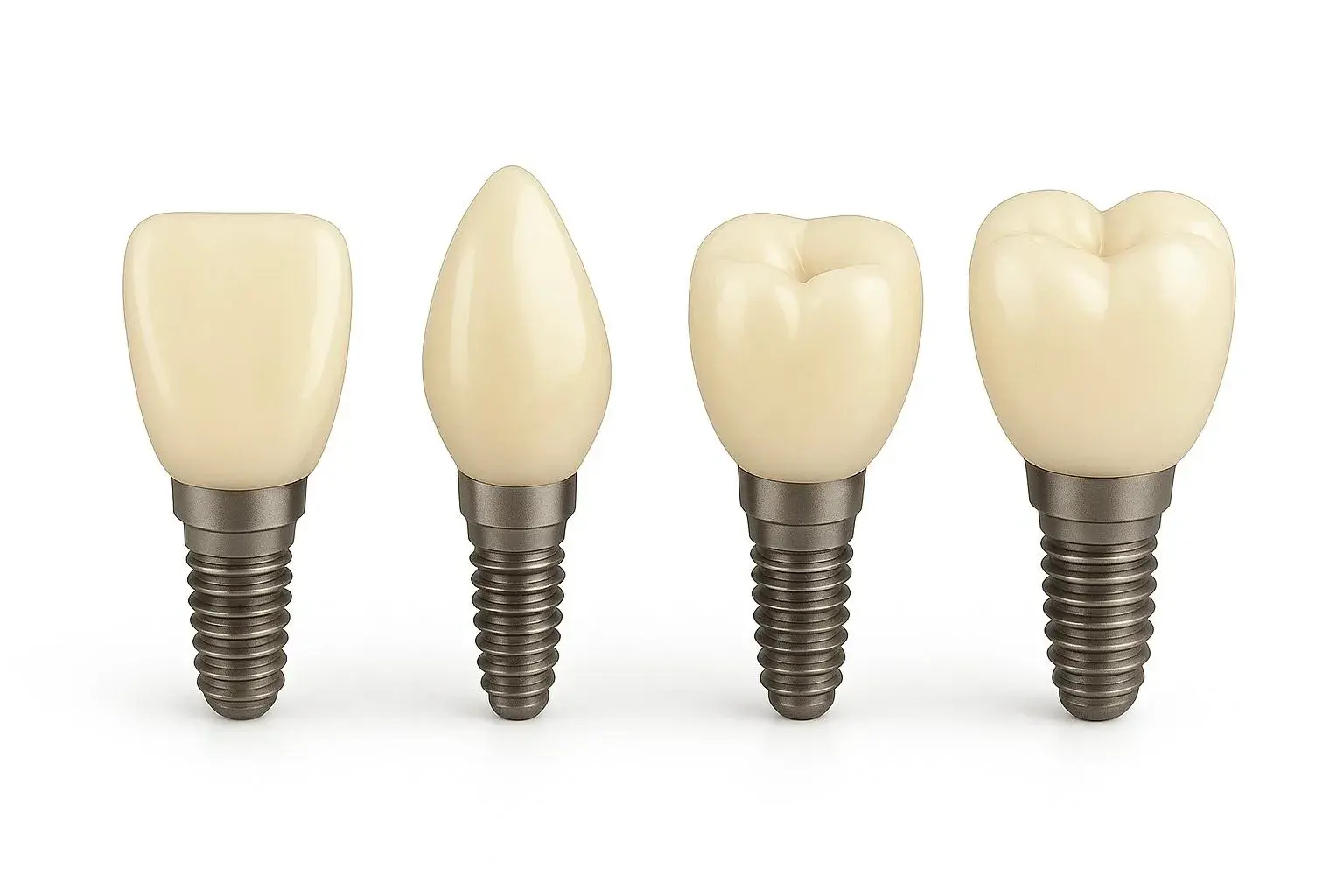
Implant-retained — the most secure option, using implants to hold the denture firmly in place
If loose lower dentures are your main concern, implant retention is worth discussing. A small number of implants can anchor a denture so it no longer moves while eating or speaking. You can read more on our dental implants page, or compare the alternatives in our guide to implants, bridges and dentures.
The first few weeks, honestly
New dentures feel strange, and it is better to expect that than to be surprised by it. For the first week or two the appliance feels large, speech can be slightly altered, and you may produce more saliva than usual. Nearly all of this settles as the muscles of the cheeks and tongue learn the new shape.
Sore spots are common early on and are easily fixed. Do not endure them: a small adjustment takes minutes and makes a substantial difference. It helps to start with softer food cut into smaller pieces, chew on both sides at once to keep the denture balanced, and practise reading aloud for a few days to get speech back to normal.
Looking after them
Clean dentures over a bowl of water or a folded towel, so a slip does not break them
Brush them daily with a denture brush and soap or denture cleaner, not ordinary toothpaste, which is too abrasive
Take them out overnight where advised, to give the gums a rest
Clean your remaining natural teeth and gums thoroughly, as partial dentures can trap plaque
Keep attending check-ups, so the fit and your gum health are monitored
Dentures do not last indefinitely. The gum and bone underneath change shape gradually after teeth are lost, so a denture that fitted well at the start will eventually loosen. Relining or remaking restores the fit, and it is normal to need this over time rather than a sign anything has gone wrong.
Arranging a consultation
The right denture depends on your mouth, so the useful starting point is an assessment. We look at the teeth you still have, the shape and health of the gums, and how your bite works, then set out the realistic options with costs in writing. See our restorative dentistry services, or get in touch to book. You can also call us on 0115 931 2935.
FAQ
Q: How much do dentures cost in Nottingham? A: At Pear Tree Dental, acrylic partial dentures start from £750 per arch and complete acrylic dentures from £850 per arch. Valplast flexible dentures and cobalt chrome dentures both start from £1,100.
Q: How long does it take to get used to new dentures? A: Most people adjust over two to four weeks. Speech and saliva usually settle within the first week or two, and sore spots can be relieved quickly with a small adjustment.
Q: Are flexible dentures better than acrylic? A: Not universally. Valplast is more discreet and lighter, with no visible metal clasps, but acrylic is easier to adjust and to add teeth to later. The better choice depends on how many teeth are missing and where.
Q: Can dentures be made to stay in place properly? A: Yes. Cobalt chrome partials are very stable because they rest on natural teeth, and a loose lower denture can be secured with implants so it does not move while eating.
Q: Do dentures need replacing? A: The gum and bone underneath change shape over time, so dentures loosen eventually. Relining or remaking restores the fit, and this is expected rather than a fault.