

Key takeaways
What you’ll learn | Summary |
Veneers vs bonding at a glance | Veneers are thin porcelain shells; bonding is sculpted composite resin placed directly on teeth. |
When to choose each | Veneers excel for colour and symmetry changes; bonding is great for quick fixes and smaller tweaks. |
Longevity & care | Veneers often last longer; bonding is more affordable and conservative but may need touch‑ups. |
Plan with previews | Digital Smile Design helps you “test‑drive” your future smile before treatment starts. |
What are porcelain veneers?
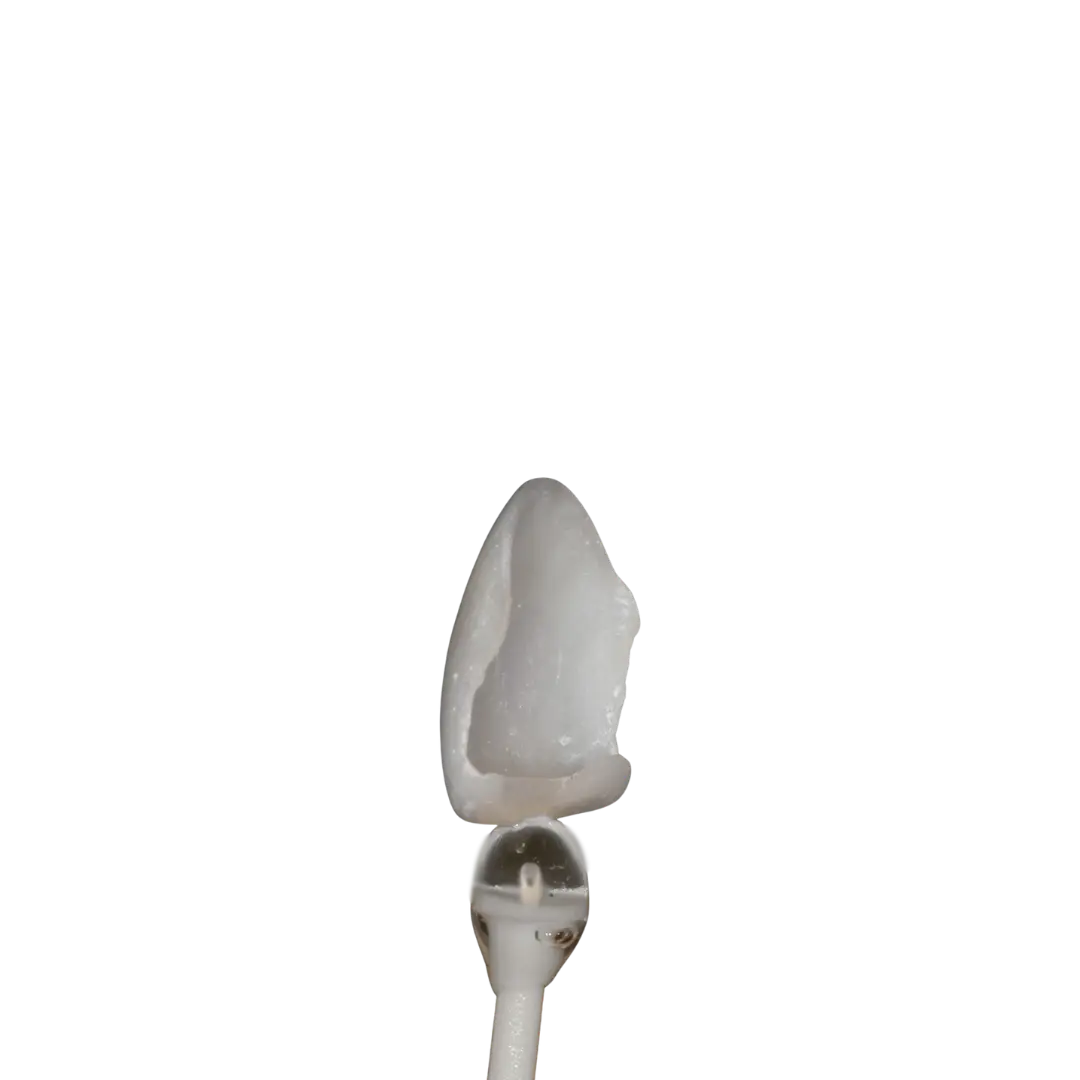
Veneers are hand‑finished porcelain facings bonded to the front of your teeth. They’re ideal if you want to change colour, shape, size, and symmetry. Expect a highly aesthetic, stain‑resistant result that can transform multiple teeth in your smile zone.
Pros
Best for broader makeovers (e.g., worn, dark or uneven teeth).
Excellent stain resistance and long‑term colour stability.
Bespoke shape and shade matching.
Considerations
Usually involves light enamel preparation.
Higher initial investment than bonding.
Lab steps mean 2–3 visits.
What is composite bonding?
Composite bonding uses tooth‑coloured resin placed and polished in a single visit. It’s great for chips, minor gaps, and worn edges - especially if you’d prefer not to adjust enamel.
Pros
Often completed in one appointment.
Conservative and budget‑friendly.
Easy to tweak or repair later.
Considerations
Resin can pick up surface stains over time.
May need maintenance or occasional repolishing.
Not ideal for major colour changes on many teeth.
Veneers or Bonding for Nottingham residents?
Start with a planning session
At Pear Tree Dental, we map your goals and bite function. For bigger changes—or if you’re mixing treatments—we often use Digital Smile Design so you can preview your new look before we start. See how smile previews work on our Smile Design page.
Consider a staged plan
Many patients begin with whitening, then add conservative bonding where needed.
Longevity, aftercare and maintenance
Veneers often last longer when cared for well; avoid biting pens, cracking nuts or opening packages with teeth.
Bonding may need polishing or small repairs over time; simple visits keep edges smooth and glossy.
Night guards can protect either option if you clench or grind.
Hygiene visits and gentle polishing keep both looking their best.
Cost and value
Bonding is typically less expensive per tooth and great for targeted improvements. Veneers involve a greater degree of lab work and a fine blend of technical skill and artistry - this means multiple visits, which is reflected in the fee.
Our Contact-lens veneers are ultra-thin and considered the pinnacle of dental design, our lead dental surgeon Dr Javaad will work with you to produce veneers that will have you smiling like never before.
For transparent guidance, see our Pricing information.
FAQs
Will veneers look fake? No - modern ceramics mimic natural translucency. We tailor shape and shade to your face and smile line.
Does bonding damage my teeth? Bonding is additive, so it usually requires no drilling of healthy enamel.
Can I mix veneers and bonding? Absolutely. We often combine both to balance aesthetics, function, and budget.
Do I need to whiten first? If you’re aiming for a lighter smile, whiten before bonding or veneers so everything matches your target shade.
Next steps to achieve that perfect smile in Nottingham
When you’re ready, book online - and explore Membership options for simple budgeting over the year.